Holland Felony Analysis
"Advocate for the truth"
Expert Witness Services
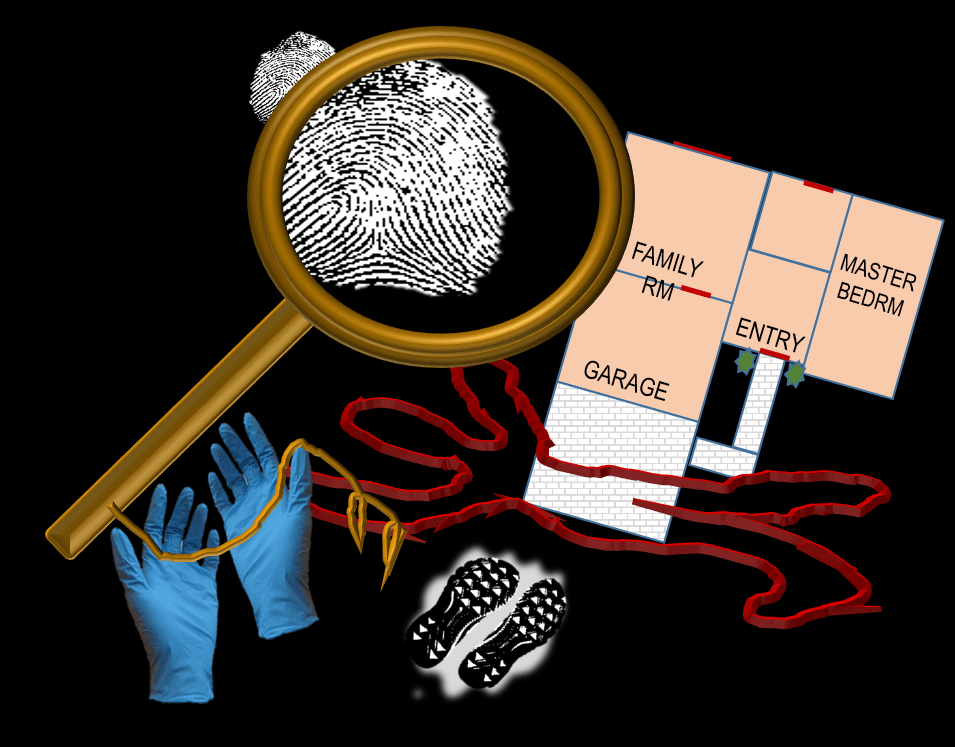
Analysis for Due Diligence and Standard of Care
The exercise of due diligence and the exercise of caution and care is the process of investigating in accord with generally recognized standards and procedures. The measure is whether another investigator-when faced with the same facts and circumstances-would have made the same decisions. A failure of due diligence may result from negligence, indifference, or it may occur by intent through malfeasance. It may occur within a single aspect of an investigation, such as failure to follow a lead, or it may permeate an investigation entirely when an investigation is treated with indifference from the onset. The result is an incomplete investigation due to flawed theories, leads not followed or evidence misunderstood in the context of the crime. Analysis for due diligence is comprehensive, beginning with the crime scene and moving forward in a thorough, methodical process. Analysis will identify the issues. It can exonerate the wrongfully accused. In some instances, it may identify the guilty.

Analysis for Confirmation Bias
Confirmation bias is that process wherein an investigator develops a theory of the crime and thereafter filters facts, information and evidence, retaining that which conforms to his theory and discarding that which does not. It may be thought of as an attitude which colors the investigator’s approach. While “attitude” may be difficult to prove, confirmation bias always results in a failure to perform due diligence, as the filtering process requires the investigator to disregard facts and evidence and leads which should have been considered. A defense argument of confirmation bias should begin with a determination of a failure of due diligence.
Cold Case Investigation
Comprehensive cold case analysis is a wholistic process to uncover an overlooked fact which could be the key to case resolution. Analysis begins with examination of photographs, sketches, and forensic evidence. Collectively, they provide a basis for understanding the behaviors of both the victim and the perpetrator during the commission of the crime. An initial theory of the crime is developed and constantly adjusted as additional facts are understood. Witness statements are reviewed for wholeness- logical questions left unasked or unanswered or leads presented which were not followed. Recorded interviews and hand written statements are analyzed for stress indicators which suggest a suspect may have been in hand and overlooked.

Analysis of Video Recorded Interviews
False confessions may arise from a number of issues; an individual wanting notoriety for a well-publicized crime, an innocent individual failing a polygraph and hence believing there is no way out, or law enforcement using unethical practices, pressuring a confession. On some occasions, an individual bears false witness against another for personal gain. Often, a false confession arises in instances where there is no evidence, and the confession becomes the total substance of the prosecution.
Analysis of a video recorded interview may identify unethical or coercive techniques or manipulation, investigator bias or the feeding or planting of information intended to confirm the false confession.
Concurrently, the confessed statement itself is examined for alignment with the facts of the case and disclosure of information which only the perpetrator could know. Investigators sometimes forget that a confession and the truth are not synonymous.
 Holland Felony Analysis